If the idea of working at Starbucks in Japan has ever crossed your mind, you’re not alone. Many travelers, expats, and language learners wonder about the real odds of joining one of the world’s most recognizable brands overseas.
This article is for anyone with only basic Japanese skills who’s considering the unique experience of becoming a Starbucks partner in Japan. There’s a lot to learn, but perhaps that’s exactly what makes it appealing. For those aiming to balance work with language growth, the rewards can go well beyond just coffee.
Why Starbucks Jobs in Japan Attract Foreigners
Japan’s job market can sometimes feel off-limits to those without fluent Japanese. But Starbucks occasionally challenges that norm.
Even with simple conversational skills, some foreigners have managed to secure part-time or even full-time barista positions. What’s the attraction?
First, Starbucks is seen as having a welcoming company culture. It’s familiar, but also distinctively adapted to local life.
There’s also the image: a globally recognized brand that looks great on a resume, especially if you’re interested in hospitality or customer service careers. Plus, the chance to practice Japanese on-the-job is, for many, a real bonus.
Can You Really Work at Starbucks Japan with Basic Japanese?
This is the big question, and to be honest, it’s a bit complicated. In bigger cities like Tokyo or Osaka, some stores are more accustomed to multicultural staff and clientele. There’s a bit more flexibility.
Stores near tourist areas or business districts may be more open to hiring English-speaking staff, especially if you’re conversational in Japanese. Still, expect at least some proficiency.
Most job listings mention “native-level Japanese” as ideal, but what happens in practice can sometimes be more relaxed—especially if you’re cheerful, reliable, and a fast learner.
What “Basic Japanese” Really Means
It’s worth clarifying: “basic Japanese” varies in meaning. Some hiring managers might expect N4 or N5 (on the JLPT scale), which covers simple greetings, numbers, and a handful of polite expressions.
Others might want a bit more conversational ability, especially regarding taking orders and handling money. It’s rare that zero Japanese is acceptable, but for candidates with good attitude, a willingness to try often counts for something.
Personal Experiences: Mixed Outcomes
Some applicants describe positive experiences, reporting that patience, a smile, and clear body language helped bridge any gaps. Others have found their applications politely rejected if they couldn’t comfortably chat with customers.
It’s inconsistent, but that’s also the reality of trying to work in another language. Perhaps that unpredictability is part of the adventure. It’s normal if you feel uncertain.
Application Process for Starbucks Japan
Applying to become a Starbucks partner in Japan begins with searching the official careers page (Starbucks Japan Careers ). Listings are generally in Japanese. You’ll need to fill out basic details and, typically, answer a few short questions. Don’t be intimidated by the language—it doesn’t hurt to apply, even if your written skills aren’t perfect. In some cases, visiting a store in person (with a neatly filled resume, known as “rirekisho”) can set you apart. There’s something about making a face-to-face impression that still carries a lot of weight in Japan.
What You’ll Need to Apply
- A valid visa (student, working holiday, or spouse visas are common options)
- Basic conversational Japanese
- A Japanese-style resume (rirekisho)
- Contact details and an emergency contact
Some stores may ask for a short interview in Japanese. Even with simple answers, showing effort, politeness, and eagerness to learn will often be appreciated.
What’s It Like to Work at Starbucks Japan?
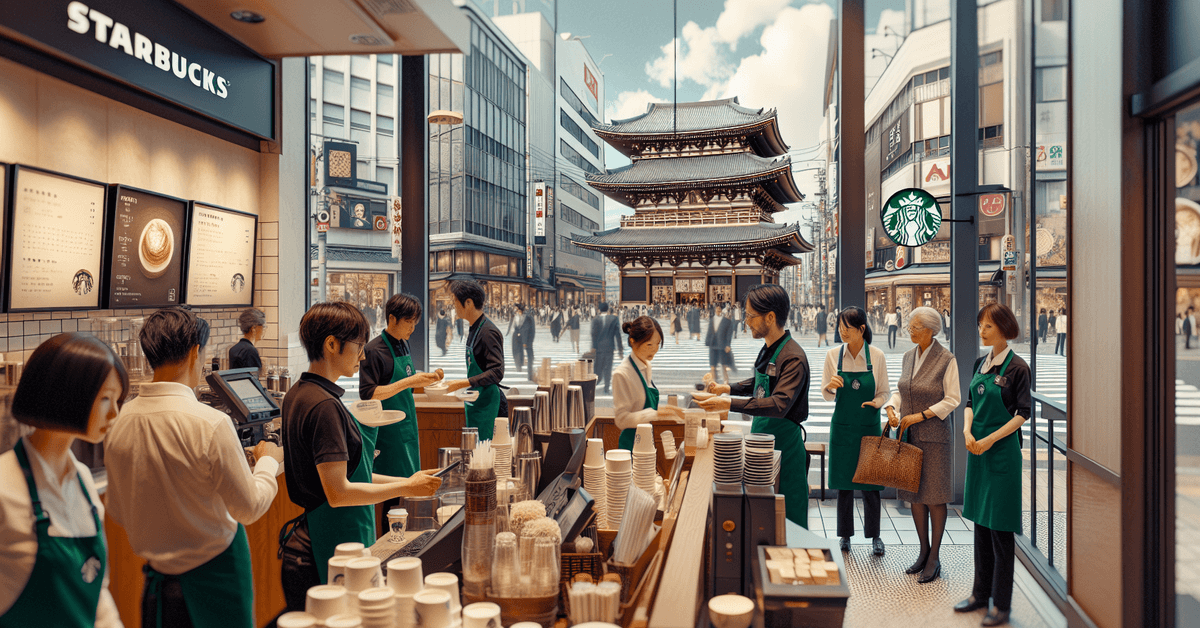
Daily life as a Starbucks partner in Japan can be as fast-paced as anywhere else. However, there are cultural nuances: attention to detail, politeness, and teamwork are emphasized. Training is thorough.
Even if your Japanese is basic at first, new partners report that on-the-job language practice happens quickly—sometimes out of necessity. Mistakes are normal, and veteran staff are usually supportive, especially if they see genuine effort.
Expect to master phrases related to customer service. Sometimes, that’s enough to get by, especially during rush hours. On quieter shifts, you might find colleagues willing to help you improve your vocabulary.
Benefits and Challenges
| Benefits | Challenges |
|---|---|
| – Flexible hours – Staff discounts – Social connections – Language practice |
– Complex Japanese – Customer expectations – Standing for long periods – Fast-paced environment |
Some partners comment that the supportive team spirit actually helps with language learning. Others note that adjusting to keigo (formal Japanese) can be tough for newcomers.
Starbucks Japan: Stores with Higher Hiring Flexibility
Not every Starbucks is the same. Stores located near universities, tourist hotspots, or central business districts are sometimes more open to diverse staff.
For example, locations in Tokyo’s Shibuya, Roppongi, or Umeda in Osaka tend to see more foreign applicants. Stores close to international schools or popular expat areas may also be relatively flexible about language requirements.
Some high-profile “community stores” might even have hiring policies that prioritize diversity. These locations sometimes prefer bilingual staff, but even basic Japanese skills combined with a good attitude may suffice.
It’s not a guarantee—and, to be honest, rejections can and do happen. But that’s a reality in any competitive job market.
Tips: How to Choose Where to Apply
- Focus on urban areas with a mixed international population
- Check if the store caters to tourists or expats
- Ask around on expat forums (such as Japan Guide, Reddit, or GaijinPot) for recent experiences
Salary, Hours, and Working Conditions
Starbucks partners in Japan usually start at local minimum wage, which varies by city. As of 2024, hourly rates tend to range from ¥1,050–¥1,200 in Tokyo and a bit less in regional cities. Schedules are typically flexible—especially for students.
Most shifts run 3–6 hours. Staff get modest but reliable benefits: discounts on drinks, occasional staff events, and paid training. Full-time contracts offer health insurance and pension. If you’re working part-time, those benefits are limited but still useful.
Sample Pay Table (2024)
| City | Hourly Rate (¥) |
|---|---|
| Tokyo | 1,100–1,200 |
| Osaka | 1,060–1,150 |
| Fukuoka | 950–1,050 |
Remember that some locations also offer transportation allowances or extra incentives for night or weekend shifts.
Legal and Visa Considerations
It’s important to remember that a valid Japanese visa is needed before starting work. Most foreign Starbucks partners are on student, working holiday, or spouse visas.
Some stores may clarify working hour limits (especially for students, who are generally restricted to 28 hours per week during term time). Always check your current visa’s conditions before accepting any job offer.
How to Strengthen Your Application
Showing a positive attitude, teamwork skills, and reliability often stands out as much as language ability. If you have customer service experience from home or any other country, mention it—even if it feels irrelevant.
Try to express your motivation for working at Starbucks and learning more about Japanese service culture. For added confidence, you might also take a short online Japanese course or practice customer phrases in advance.
Advantageous Skills (Even with Basic Japanese)
- Experience with food service or hospitality work
- Understanding of customer service etiquette
- Ability to adapt and learn new routines quickly
- Willingness to ask for help and accept feedback
Resources for Job Seekers and Language Learners
For those determined to land a Starbucks Japan job—or any service industry work—language study pays off. Free online resources like Erin’s Challenge and NHK’s Easy Japanese can provide simple listening and role-play practice.
Forums like Reddit’s r/movingtojapan may offer up-to-date hiring stories. For formal job listings, in addition to the official Starbucks Japan site, platforms like MyNavi Baito sometimes feature openings.
Final Thoughts: Is It Worth It?
Landing a Starbucks job in Japan with only basic Japanese—it’s possible, but not always simple. Results vary, and sometimes it’s luck as much as language skill.
Many find real value in the experience, both for language growth and for immersing in a unique cross-cultural team. Even unsuccessful attempts often provide useful practice.
If nothing else, you’ll gain perspective on job hunting abroad. For many, that’s worth the challenge. For others, it’s a stepping stone to more advanced opportunities later.
Looking to start your own work journey in Japan? Even with just basic Japanese, exploring jobs like Starbucks barista can open doors. For more on flexible part-time roles and language tips, browse the rest of our blog.